
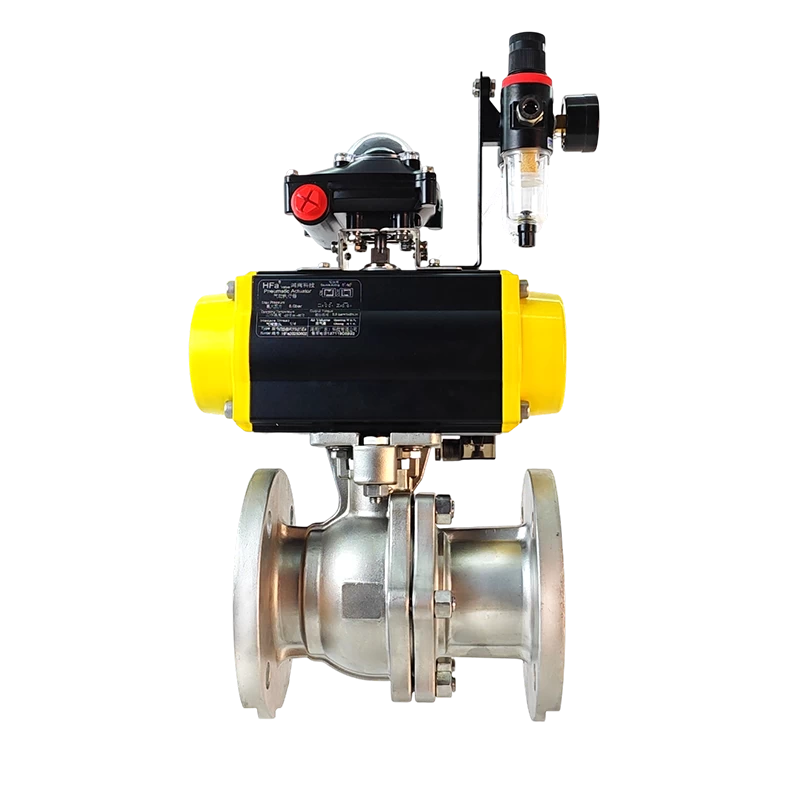
Two valve quotations can look similar while covering different products and services. One may include an actuator and inspection documents; another may price the bare valve only. A structured comparison helps buyers see these differences before choosing a supplier and issuing a purchase order.
1. Establish a common technical baseline
Send the same RFQ revision to every bidder and assign a tag number to each item. Compare the proposed configuration against that baseline before comparing prices. Record the exact model, specified materials, connection details, operator, and accessories. Use three simple review states: confirmed, clarification required, and deviation proposed.
A deviation is not automatically unacceptable, but it needs an explicit decision. Ask the responsible project reviewer to accept or reject it and retain the written response. Do not treat silence in a quotation as confirmation that a requirement is included.
2. Build a scope comparison
| Review area | What to request |
|---|---|
| Product scope | Exact configuration and an itemized accessory list. |
| Documentation | Named drawings, records, and reports included in the price. |
| Inspection | Agreed checks, acceptance criteria, and any witness requirements. |
| Delivery | Lead-time starting point, approval dependencies, and dispatch milestone. |
| Support | Written warranty terms and available spare-part information. |
| Exclusions | Anything that the buyer must arrange or pay for separately. |
3. Compare the cost on the same basis
Create separate spreadsheet lines for the quoted goods, requested options, inspection charges, packing, and transport where quoted. Keep currencies and quantities consistent. If a cost is unknown, show it as unresolved instead of entering zero. Ask for clarification of the named delivery location and the division of responsibilities so that each quotation can be evaluated consistently.
4. Make the schedule reviewable
Ask when the quoted lead time begins: order acceptance, payment, or drawing approval. Identify buyer decisions that may affect the schedule and request a practical document-submission milestone. For repeat purchases, confirm whether the quote covers the same approved revision or a changed configuration. Record quotation validity separately from production lead time.
5. Turn the decision into a clear purchase order
Attach the approved technical specification, accepted deviation list, final price schedule, and required document list. Identify how changes will be submitted for approval. At receipt, use this same package to check item identity, quantities, visible condition, and document completeness before the project's installation approval process.
Request a comparable offer from Hongfa Valve: provide the complete RFQ and ask for an itemized response, declared exclusions, and a configuration-specific delivery estimate. A clear scope makes the purchasing decision easier to explain and the order easier to manage.