A useful valve quotation starts with a clear specification. A short request such as "stainless steel valve, ten pieces" leaves too many choices open. Different suppliers may quote different connections, seals, or operating arrangements, making prices difficult to compare. Build one request for quotation (RFQ) that every supplier can answer against the same requirements.
1. Describe the service before selecting a model
State what the valve must do: isolate a line, regulate a process, or direct flow. Identify the medium and provide operating and design pressures, temperature ranges, and required flow information. Ask the supplier to confirm material compatibility and the pressure-temperature limits of the proposed assembly. Connection size alone does not establish flow capacity. These are core selection considerations in Swagelok's valve selection guide.
2. Make the mechanical interface unambiguous
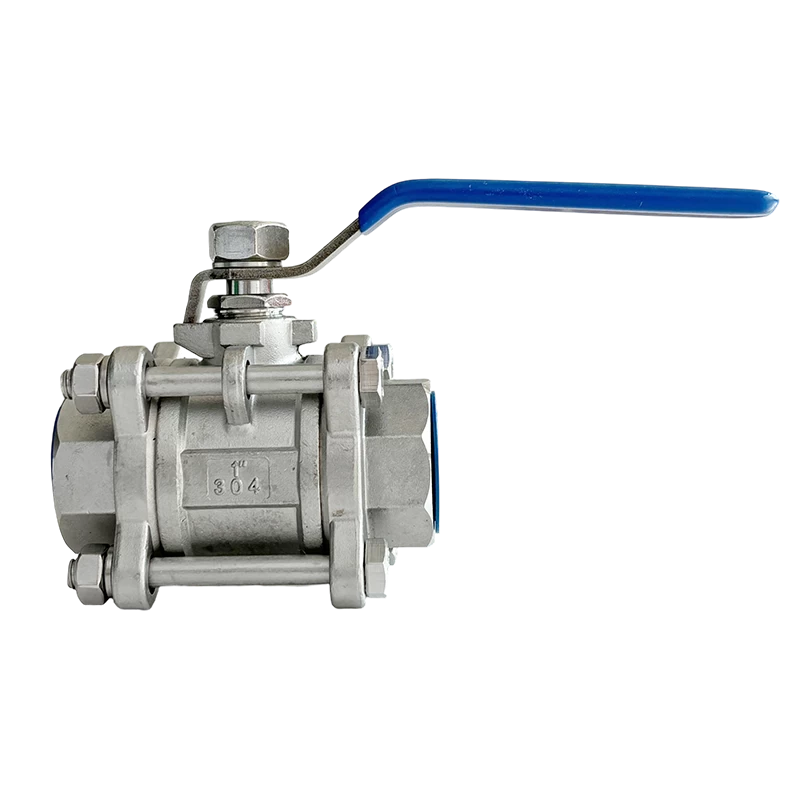
Attach the project connection specification and a drawing where available. Record the nominal size, connection type, mating component details, and available installation space. For replacements, provide the existing nameplate and dimensional information as reference, then ask for confirmation against an approved drawing. A photograph is useful context, but it should not be the only purchasing specification.
3. Define exactly what the supplier should quote
- Item number, quantity, and intended duty.
- Body, internal component, and seal material requirements.
- Manual or powered operation and any required accessories.
- Applicable project specifications and required supporting documents.
- Inspection requirements, packaging, destination, and requested delivery date.
Mark each requirement as mandatory or open to a proposed alternative. Ask suppliers to list deviations explicitly, including anything excluded from the quoted assembly. This makes technical review easier and prevents optional accessories from disappearing inside a single price.
4. Agree on the review documents
Before placing an order, request the proposed model identification, a completed datasheet, an assembly drawing, and a clear scope of supply. If your project requires material records or test reports, name those documents in the RFQ and ask the supplier to confirm availability and cost. A general statement about quality is less useful than an agreed deliverables list.
5. Close the loop before ordering
Create a short clarification log and resolve open points in writing. Put the final drawing revision, accepted deviations, and document requirements into the purchase order. This gives purchasing, engineering, and inspection teams the same reference throughout production and delivery.
Ready to request a quotation? Send Hongfa Valve your item list, service conditions, connection details, quantity, and required delivery date. Request written confirmation of the proposed configuration before order approval.